
- ×
 Agenda Montessori. 110 attività da 0 a 6 anni per accompagnare la crescita del tuo bambino 1 × 3,00€
 - ×
 Abisso. Cruel 2 × 12,30€
 - ×
 Codice Secerè. Come diventare come me 1 × 6,50€
 - ×
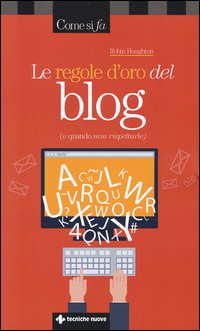 Le regole d'oro del blog (e quando non rispettarle) 1 × 7,50€
 - ×
 A primer on organization and people management. Management. Principles of management 1 × 14,30€
 - ×
 Green low carb. La bibbia 1 × 14,20€
 - ×
 501 quiz sulla lingua italiana 1 × 14,20€
 - ×
 Nessuna ferita è per sempre. Come superare i dolori del passato 1 × 10,90€


-5%

Voices of the Past: The Status of Language in Eighteenth-Century Japanese Discourse
Il prezzo originale era: 65,00€.61,80€Il prezzo attuale è: 61,80€.
–
Autore: Naoki Sakai
Editore: Cornell Univ Pr
Collana: –
Solo 1 pezzi disponibili
Toward the end of the seventeenth century, Naoki Sakai maintains, a radical change took place in Japanese discourse–the sudden emergence of multiple new possibilities of conceptualizing the world. In this brilliant and searching reinterpretation of the cultural history of the Tokugawa period, Sakai traces this shift across a spectrum of artistic and critical texts from puppet theater to Confucian commentary. He asserts that during this time a new emphasis was placed on textual performance, practice, and communication, and he illuminates its ethical and political consequences.
Sakai draws upon the insights of recent critical theory as he explores the historical consciousness of texts and the self-consciousness of language itself. Analyzing the conditions of discourse formation, he seeks to suggest how language may be used to inform historical investigation. He first considers the Confucian philosopher Ito Jinsai’s critiques of Neo-Confucianism. Showing how the historical other was constructed and theorized, Sakai discusses key works of visual art, performance pieces, poetry, and wakun, a genre of graphic translation. Finally, he considers writings representative of intellectual movements that began to construct the identity of the Japanese language and culture.
Intellectual historians, specialists in Japanese culture, anthropologists working with historical texts, literary theorists, linguists, philosophers, and others interested in East Asian thought will welcome this rich and challenging book.
Cod: 9780801425806
| Autore | |
|---|---|
| Editore | |
| Anno | |
| Pagine |
Recensisci per primo “Voices of the Past: The Status of Language in Eighteenth-Century Japanese Discourse”
Prodotti correlati
-5%

SCIENZE SOCIALI E UMANE
Il tradimento. Globalizzazione e immigrazione, le menzogne delle élite
Il prezzo originale era: 17,00€.16,20€Il prezzo attuale è: 16,20€.
-5%

Il prezzo originale era: 11,00€.10,50€Il prezzo attuale è: 10,50€.
-5%

SCIENZE SOCIALI E UMANE
Il prezzo originale era: 15,00€.14,30€Il prezzo attuale è: 14,30€.
-5%

SCIENZE SOCIALI E UMANE
Il prezzo originale era: 14,90€.14,20€Il prezzo attuale è: 14,20€.
-5%
Il prezzo originale era: 15,00€.14,30€Il prezzo attuale è: 14,30€.
-50%

SCIENZE POLITICHE
Il prezzo originale era: 11,00€.5,50€Il prezzo attuale è: 5,50€.
-5%
Il prezzo originale era: 11,50€.10,90€Il prezzo attuale è: 10,90€.
-5%
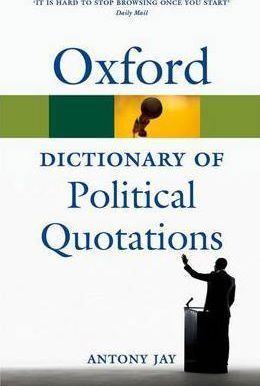
SCIENZE POLITICHE
Il prezzo originale era: 16,50€.15,70€Il prezzo attuale è: 15,70€.

Recensioni
Ancora non ci sono recensioni.